
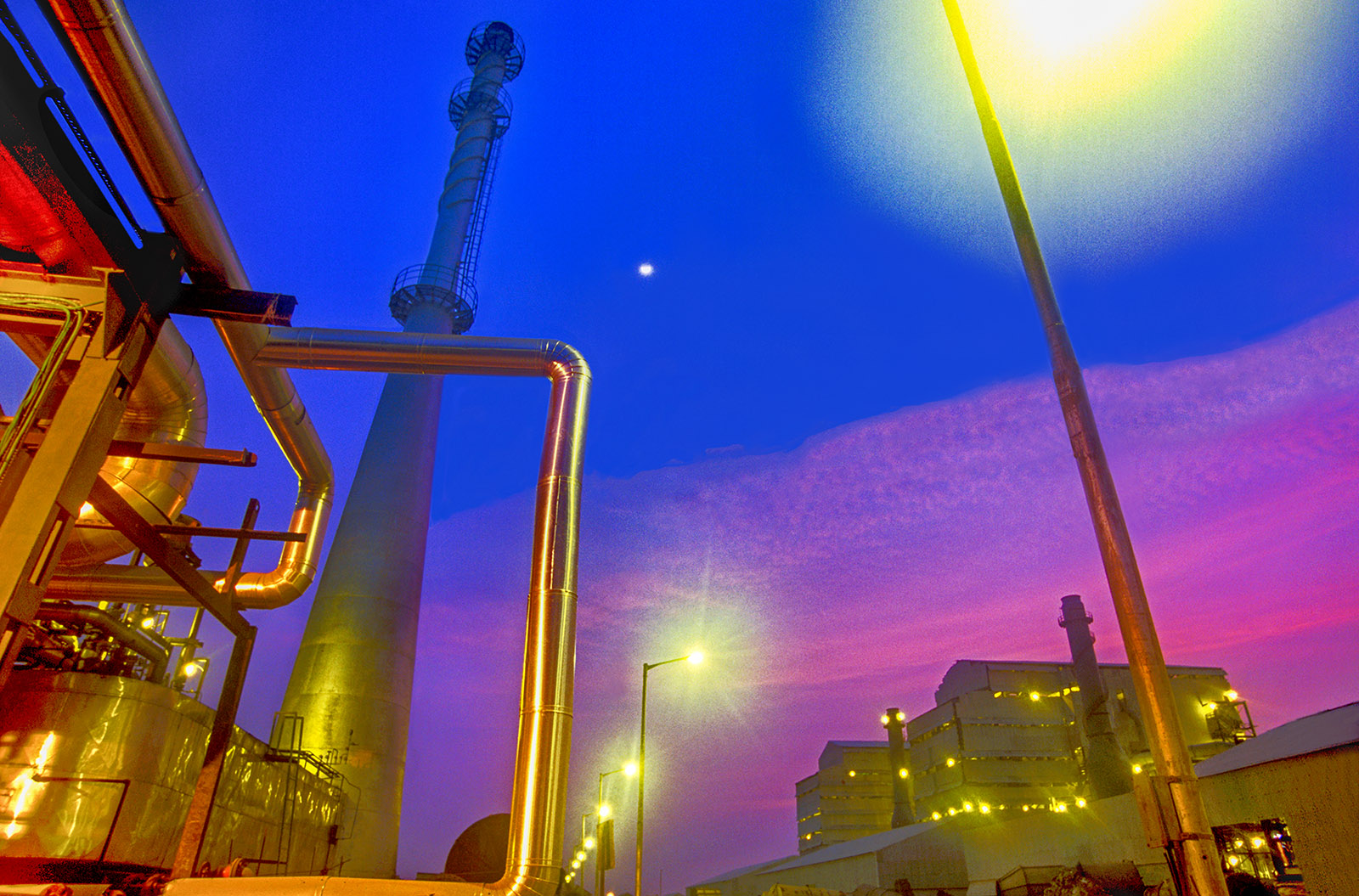
Industrial Photography in India: Everything Businesses Need to Know
India is building faster than ever before. Power plants, steel mills, highways, factories, and infrastructure projects are reshaping the country’s economy every single day. Behind all of this growth, one thing is becoming more and more important — professional industrial photography.
In this article, I will explain what industrial photography is, why Indian businesses need it, and what to look for when hiring an industrial photographer.
What Is Industrial Photography?
Industrial photography is a type of commercial photography that focuses on documenting factories, manufacturing plants, power stations, construction sites, heavy machinery, and the people who work in industrial environments.
It is different from regular product photography or corporate photography. Industrial photography has to communicate scale, precision, technical capability, and often the human story behind large-scale industrial operations.
The best industrial photographs do not just show what a facility looks like. They tell the story of what a company can do — and they build trust with everyone who sees them.
Why Indian Businesses Need Industrial Photography
India’s manufacturing and infrastructure sectors are growing rapidly. Companies are competing for international contracts, attracting foreign investors, and building global brands. In this environment, the quality of your visual content directly affects how your business is perceived.
Here are the main reasons Indian businesses need professional industrial photography:
1. Investor Relations
Annual reports and investor presentations with strong industrial images communicate operational scale and management quality. Investors form opinions about a company from the care they see in their communications.
2. Business Development
When bidding for large contracts, a well-photographed credentials document demonstrates professionalism before the first meeting. Strong visuals tell clients that you take quality seriously in everything you do.
3. Website and Digital Marketing
A company website with professional industrial photography performs better in search rankings and converts more visitors into leads. Generic stock images cannot communicate the real scale and capability of your operations.
4. Recruitment and Employer Branding
Skilled engineers and managers choose employers based on what they see about the work environment and company culture. Professional photography of your facilities helps attract the best talent.
5. Government and Regulatory Communication
Infrastructure companies frequently need to present their work to government bodies, regulators, and local communities. High-quality visual documentation supports these relationships with clear evidence of professional and responsible operations.
Types of Industrial Photography
Manufacturing Photography
This involves documenting production lines, assembly processes, and finished goods. The best manufacturing photography shows the relationship between human skill and machine precision.
Power and Energy Photography
Power plants — thermal, hydro, solar, nuclear, and wind — offer dramatic visual opportunities. Capturing the scale of turbine halls, cooling towers, and control rooms requires a photographer with real experience in these environments.
Infrastructure and Construction Photography
Highways, bridges, airports, metro systems, and ports all need to be documented through their lifecycle — from construction through to completion. This work requires flexibility, comfort working at height, and strong project management skills.
Mining Photography
Mining operations require photographers who understand complex safety requirements and can work effectively within them. The visual language of mining photography combines vast scale with the human story of the workforce.
Chemical and Pharmaceutical Photography
Process industries require photographers who understand clean room protocols and hazardous environment procedures. These environments reward patience and careful compositional thinking.
What Makes Industrial Photography Difficult
Industrial photography is technically demanding. Here is why:
Challenging Lighting
Industrial facilities are not lit for photography. A skilled industrial photographer arrives with the equipment and knowledge to manage mixed artificial and natural light, and the patience to wait for the right conditions.
Safety Requirements
Every industrial environment has specific safety requirements — protective equipment, access permits, and restricted areas. An experienced industrial photographer treats these as standard professional practice, not obstacles.
Communicating Scale
One of the most common failures in industrial photography is losing the sense of scale. Experienced industrial photographers know how to use human figures, perspective, and lens choice to communicate just how large and impressive your operations really are.
Working Around Live Operations
Industrial photography almost always happens in a working facility. A good photographer is highly adaptable — working quickly when opportunities arise and waiting patiently when operations create constraints.
What to Look for in an Industrial Photographer
Not every commercial photographer is right for industrial work. When evaluating photographers for your project, look for:
– A strong portfolio of industrial work in similar environments
– Clear experience working within industrial safety requirements
– Technical skill across difficult lighting conditions
– The ability to tell a human story within industrial environments
– Experience managing complex multi-day projects
– References from industrial clients you can speak to
How to Commission Industrial Photography
Step 1: Define your objectives
Know exactly what the photographs will be used for — investor presentation, website, annual report, advertising — before briefing any photographer. Each use case has different requirements.
Step 2: Involve your operations team early
The best industrial shots often depend on specific machine states or production activities. Your operations team needs to be briefed early and involved in planning the shoot.
Step 3: Allow enough time
Good industrial photography cannot be rushed. Plan for a minimum of two to three days on site for most projects. Single-day industrial shoots almost always compromise the final result.
Step 4: Agree on deliverables upfront
Agree on the number of final edited images, file formats, licensing terms, and delivery timeline before the project begins. This avoids misunderstandings later.
Step 5: Share your brand guidelines
Give your photographer examples of photography you admire and any brand identity requirements. Industrial photography for a precision engineering company should look different from photography for a sustainable energy business.
Frequently Asked Questions
What is industrial photography?
Industrial photography is a specialised form of commercial photography that documents factories, plants, infrastructure, and heavy machinery for business use in marketing, investor relations, annual reports, and advertising.
Why do Indian companies need industrial photography?
Professional industrial photography helps Indian companies build credibility with investors and clients, create content for digital marketing, attract talent, and compete more effectively in domestic and international markets.
Who is the best industrial photographer in India?
Nitin Rai is widely recognised as one of India’s leading industrial photographers, with over 35 years of experience working with major corporations including Aditya Birla Group, NTPC, DLF, and Emaar MGF. His work has been published in TIME Magazine, Der Spiegel, Stern, and The Sunday Telegraph.
How long does an industrial photography project take?
Most industrial photography projects require two to three days on site, plus one to two weeks for editing and delivery. Larger or more complex projects may require more time.
About the Author
Nitin Rai is one of India’s most experienced commercial photographers. Over a career spanning more than 35 years, he has worked with some of India’s largest corporations — including Aditya Birla Group, DLF, NTPC, and Emaar MGF — on industrial, corporate, product, and architectural photography projects. His work has appeared in TIME Magazine, Der Spiegel, Stern, Figaro, Tatler, and The Sunday Telegraph.
For industrial photography services across India, visit www.nitinrai.com